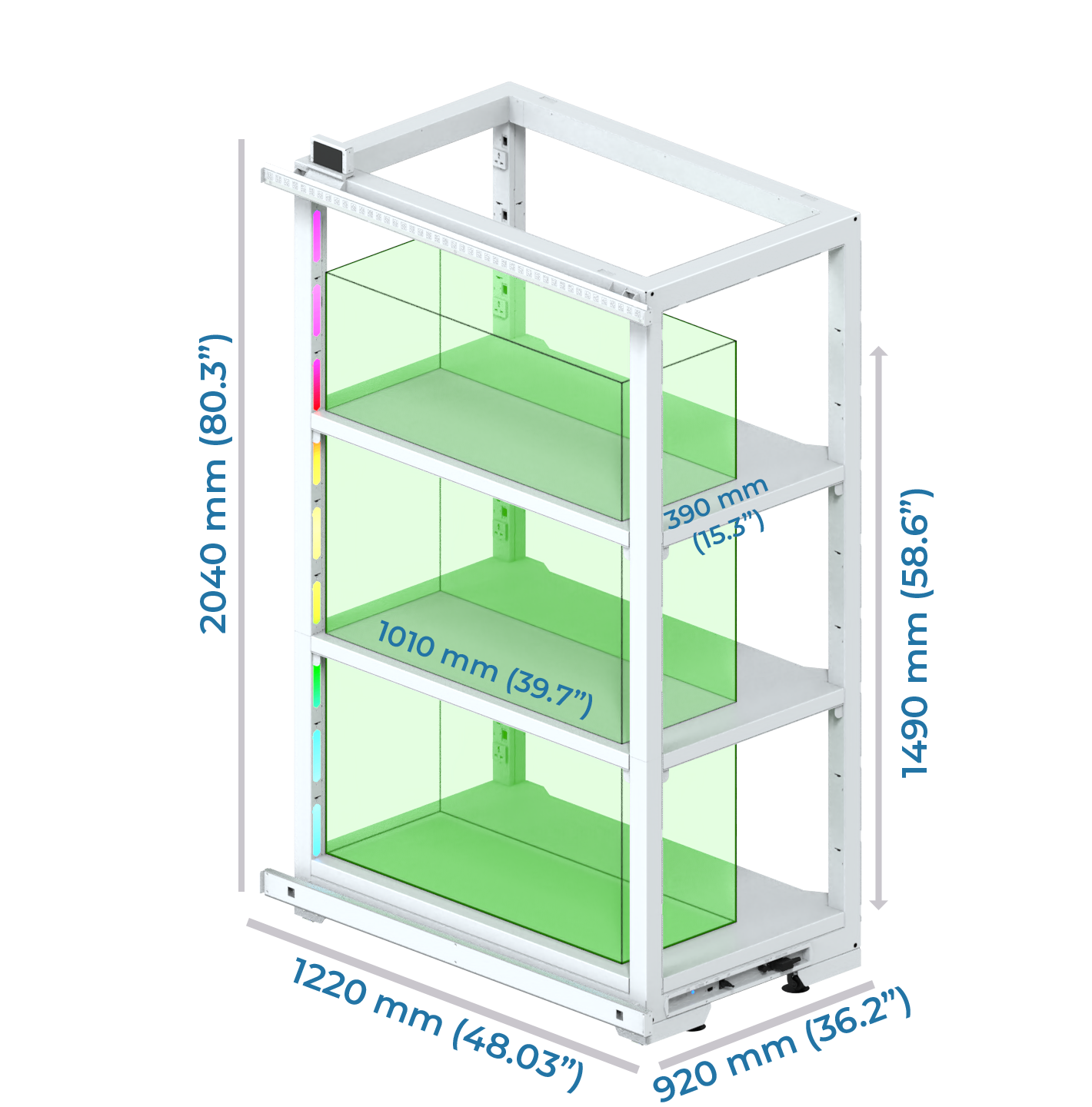
What is the Stack Intelligent Automation System?
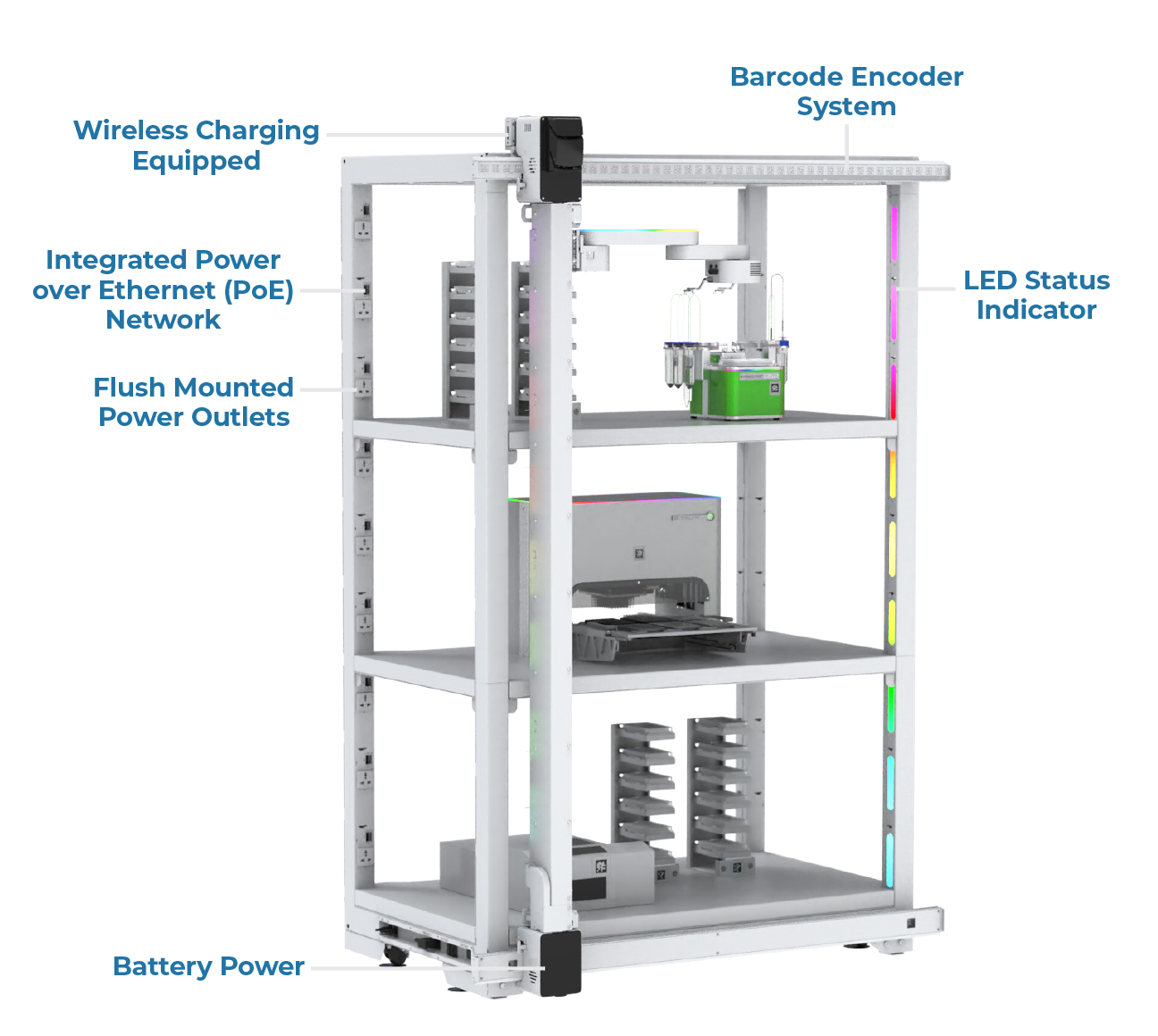
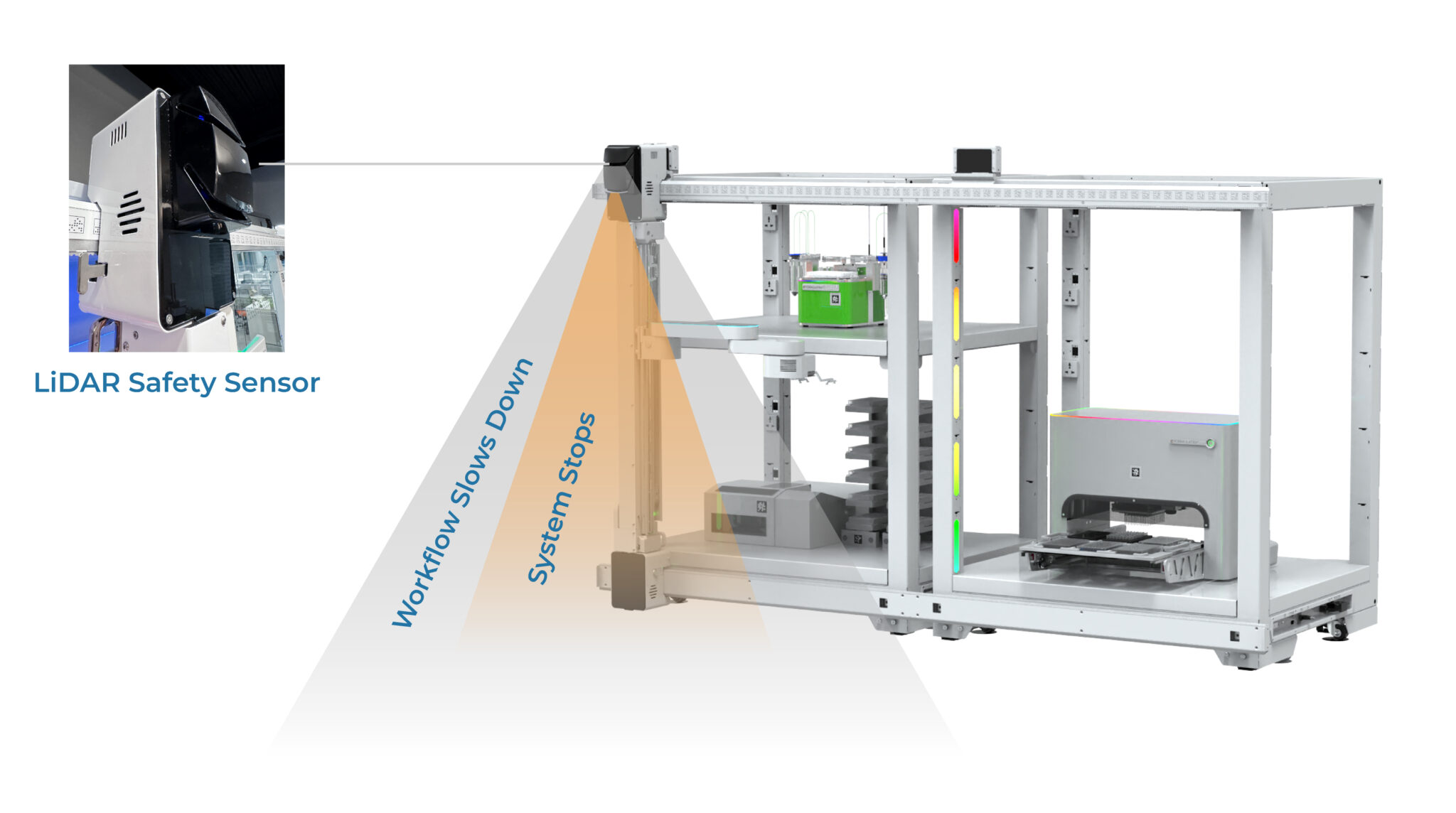
The Stack is a modular, vision-guided robotic automation platform that lets labs build or expand fully automated workflows without complex setup. It features a camera-guided robotic arm, dynamic alignment, and smart gripper to integrate and handle instruments flexibly.
How quickly can Stack be deployed and configured?
The Stack is designed for fast deployment-users can unbox, assemble, and configure it in a matter of hours. Its self-alignment and vision-based systems eliminate the need to bolt components down or manually reprogram position offsets when shifting instruments.
How does Stack maintain precision in plate transfers and instrument handoffs?
The robotic arm uses vision guidance plus barcodes and dynamic alignment to adjust pick-up and drop-off positions automatically. This ensures accurate transfers even if instruments move slightly over time, reducing calibration overhead.
What is the Smart Gripper and why is it useful?
Stack's Smart Gripper senses the slightest physical resistance, adapts to variations in labware or instrument nests, and secures labware gently. It helps prevent damage to delicate plates, ensures secure gripping even when instrument layouts change, and contributes to flexible reconfiguration. The Smart Gripper also features weight sensing, allowing users to measure the weight of a plate directly, which adds another layer of quality control and process monitoring.
Can the Stack grow with increasing throughput or changing instruments?
Yes. The system is extensible, labs can add more Stack modules or swap instruments in/out, and workflows can be reconfigured in minutes without major downtime. This supports scaling throughput or adopting new assays.
Is the Stack compatible with instruments from other vendors?
Yes. The Stack supports integration with third-party or existing lab equipment through dynamic alignment and vision-based calibration, allowing flexible connections with minimal friction. The open API is designed for compatibility with other scheduling software and does not impact instrument compatibility.
What kind of software and user experience does the Stack offer?
The Stack's software is designed to be intuitive and workflow-focused, emphasizing smooth transfers between instruments rather than micromanaging hardware movements. It features auto-calibration tools for fast installation, vision-based alignment, and easy addition of new instruments. A REST API interface provides full functionality for integration with scheduling software, meaning the UI is not required for normal operation but remains available for workflow definition and monitoring.
How maintenance-intensive is the Stack?
The Stack is designed to minimize maintenance through self-alignment features and vision guidance, which reduce the need for frequent manual recalibration. When instruments are moved, only the positions need updating-individual nests do not require re-calibration. The Smart Gripper and camera systems further ensure consistent handling, reducing wear and tear and simplifying upkeep.
What kind of workflows is the Stack ideal for?
The Stack is suited for labs with mixed workflows-plate transfers, instrument chaining, media handling, assay miniaturization, imaging, LIMS-based workflows, etc. It's especially valuable for labs wanting to automate many steps (not just liquid handling) in a flexible environment.
How does the Stack help labs maximize space and efficiency?
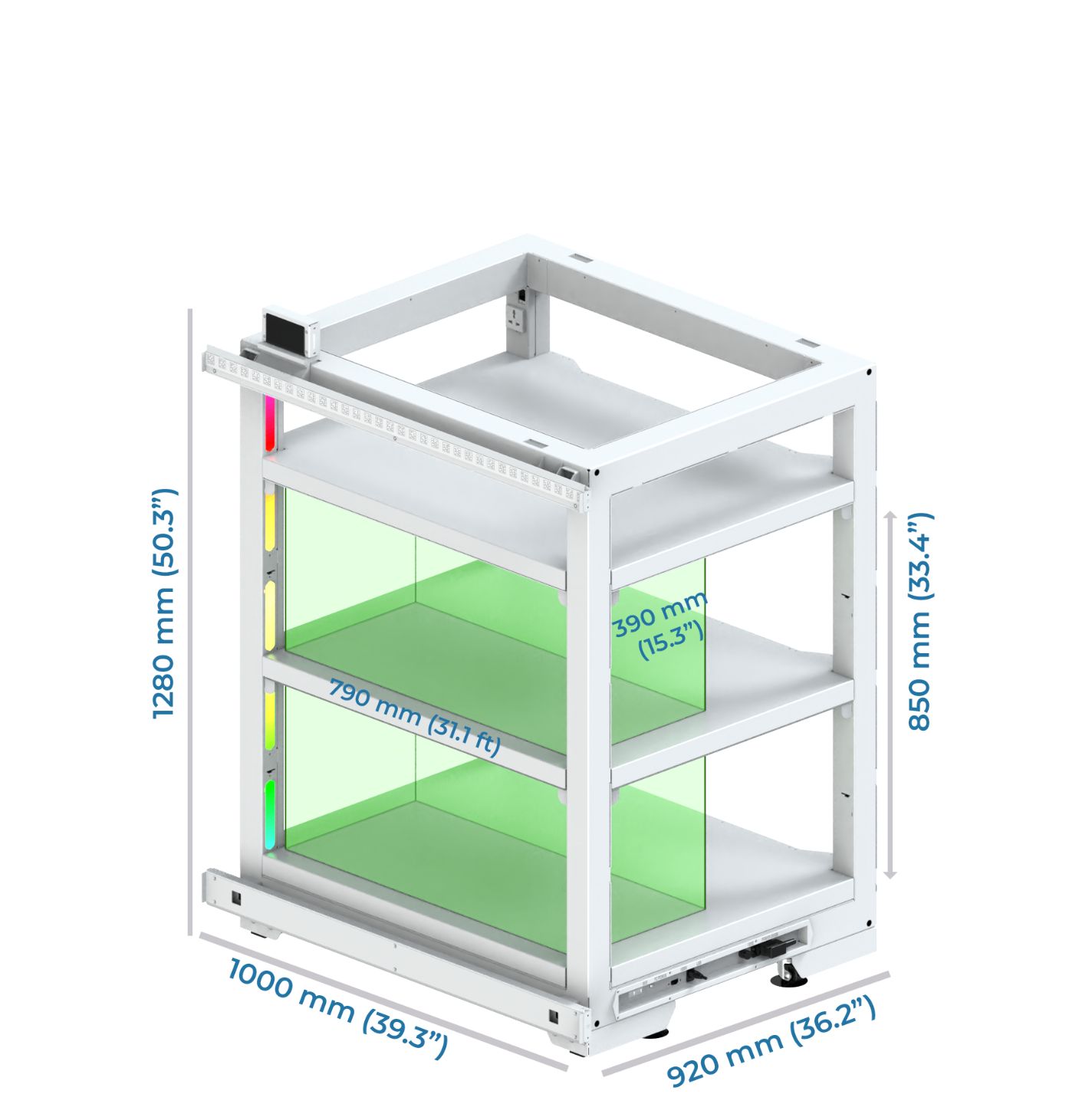
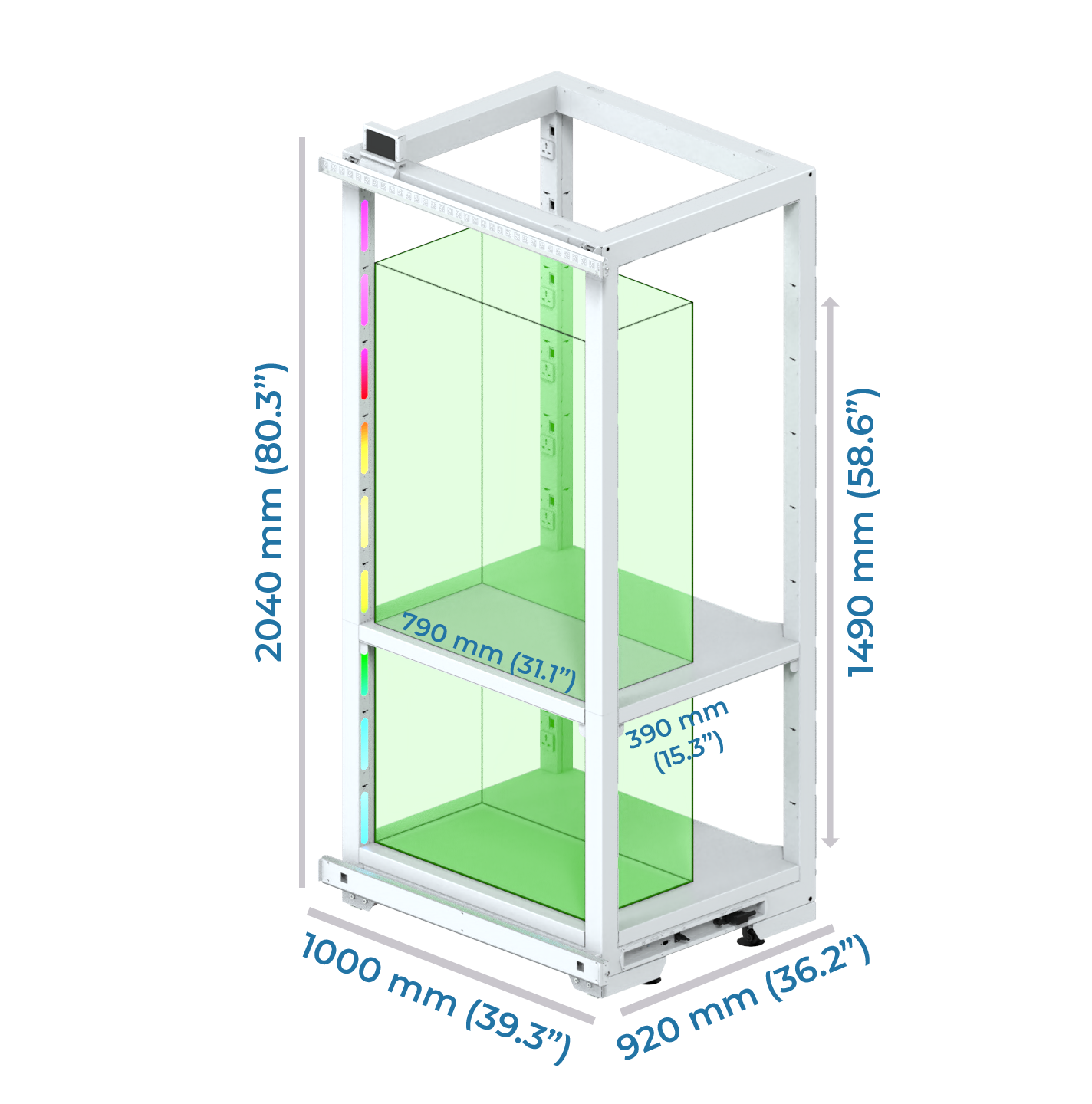
Because instruments don't need rigid bolting and can be rearranged with alignment software, the Stack helps labs reconfigure layouts easily. Also, components can scale modularly, so labs can start small and grow. This adaptability helps make better use of benchtop or room space.
Does the Stack support regulatory or quality compliance?
Yes. With its vision-based traceability, barcode reading, and instrument position logging, the Stack contributes toward lab quality systems. Specific integrations or features for compliance (e.g. audit trails) are available, exact regulatory certifications depend on configuration and should be verified with Formulatrix.
What support resources are available for the Stack users?
Formulatrix offers documentation, webinars, video guides, and technical help for setting up and optimizing the Stack workflows. For custom needs such as integrating legacy instruments or high-volume scaling, consultation with sales or application engineering is recommended.
Where can I learn more or see the Stack in action?
Visit the Formulatrix product page for video demonstrations, webinars (e.g., "Future-Proof Your Lab" highlighting Stack and Rover), and additional resources.